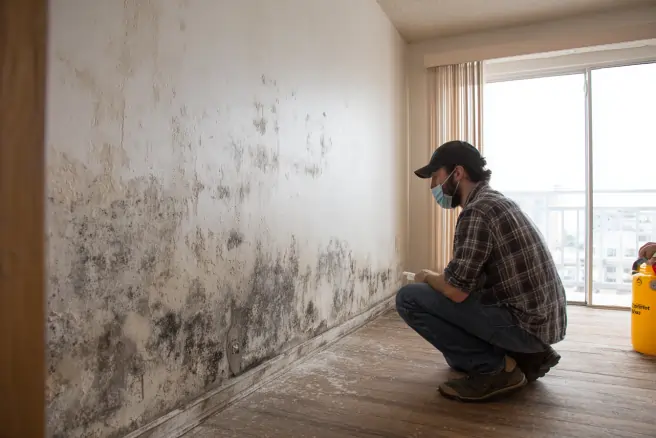
Mold removal is a critical task for maintaining a safe and healthy living environment. When faced with mold, homeowners often grapple with one significant decision: whether to handle the problem themselves using a DIY approach or hire professional mold remediation services. Understanding the key differences between these two options can help you make an informed and effective choice.
DIY Mold Removal: Pros and Cons
Handling mold removal on your own may seem like a cost-effective option, but it comes with its own set of challenges and limitations.
Advantages:
– Cost Savings:In most cases, DIY methods are less expensive upfront compared to hiring professionals.
– Immediate Action:Homeowners can address small-scale mold problems without waiting for external assistance.
– Control Over Process:Performing the work yourself ensures you oversee every step of the remediation process.
Disadvantages:
– Limited Expertise:Without professional training, it can be difficult to identify all areas affected by mold growth.
– Safety Risks:Mold spores can cause respiratory issues if proper precautions are not taken during removal.
– Inadequate Results:Surface cleaning alone may not address underlying sources of moisture or prevent recurrence.
Professional Mold Remediation: Benefits and Challenges
Professional services are often recommended for widespread mold infestations or when health risks are high: https://evercleanmoldremoval.com
Benefits of Hiring Professionals:
1.Comprehensive Assessment:Experts conduct detailed inspections to determine the extent of contamination, including hidden areas like behind walls or ceilings.
2.Advanced Equipment:Specialized tools such as HEPA vacuums, dehumidifiers, and air scrubbers ensure thorough containment and removal of spores.
3.Enhanced Safety Standards:Licensed technicians adhere to safety protocols to protect both occupants and themselves during the process.
4.Long-Term Solutions:Professionals address underlying causes (e. g. , leaks or humidity) to prevent future outbreaks.
Drawbacks to Consider:
– Higher upfront costs compared to DIY methods.
– Scheduling may require waiting for availability, delaying immediate action in some cases.
Comparing DIY vs Professional Mold Remediation
| Criteria | DIY Approach | Professional Services |
| Cost | Low initial cost | High initial cost but better long-term investment |
| Expertise | Limited | Highly trained specialists |
| Tools | Basic household tools | Advanced equipment |
| Time Required | Dependent on homeowner availability | Efficient work completed promptly |
| Effectiveness | Risk of incomplete results | Comprehensive assessment/removal |
| Safety | Potential exposure risk | Full compliance with safety standards |
Factors to Consider When Choosing
- Size of Infestation– Small surface-level issues (e. g. , <10 square feet) may be managed independently, while larger infestations should be left to experts.
- Health Concerns– If anyone in your household has allergies, asthma, or compromised immunity, professional remediation is safer.
- Source Identification– Professionals excel at uncovering hidden moisture problems that enable mold growth.
- Time Constraints– If time is limited due to work or family obligations, outsourcing ensures faster resolution.
By weighing your specific circumstances against these considerations, you can confidently choose the best method for addressing mold in your home while safeguarding your family’s health and property value long term.
Essential Tools and Safety Measures for Effective DIY Mold Remediation and How to Avoid Common Pitfalls
When attempting to tackle mold removal on your own, having the right tools and safety measures is critical to ensure success. Mold can pose serious health risks, and improper handling may exacerbate the problem. This guide explores essential tools, safety practices, and common pitfalls to avoid during DIY mold remediation.
Essential Tools for DIY Mold Removal
Equipping yourself with the correct tools is one of the first steps toward effective mold removal.
- N95 respirator or a higher-grade mask
- Safety goggles or glasses to protect your eyes
- Disposable gloves (rubber or nitrile)
- Full-body coveralls (optional but recommended for extensive mold remediation)
- A scrub brush or sponge for scrubbing surfaces
- Non-ammonia soap or detergent mixed with water for cleaning visible mold
- White distilled vinegar for reducing light surface mold growth
- Hydrogen peroxide (3%) as a secondary cleaning agent and disinfectant
- Dehumidifier to maintain humidity levels below 60% post-remediation
- Hygrometer for monitoring indoor humidity levels
- Heavy-duty plastic sheeting to isolate affected areas and prevent spores from spreading
- Duct tape to seal off barriers around work areas
- Sturdy garbage bags to safely dispose of contaminated materials such as drywall, carpet, or insulation
- HEPA-filtered vacuum cleaner for cleaning up loose debris after scrubbing surfaces
- Bucket, mop, or towels for water cleanup if leaks are present
Important Safety Measures During Mold Removal
Handling mold without proper precautions can lead to health complications such as respiratory issues, skin irritation, or exacerbated allergies.
- Isolate Contaminated Areas:Always contain the work area using plastic sheeting taped securely around doors and vents. This reduces cross-contamination between rooms.
- Ventilate Properly:If possible, open windows in the workspace while using fans strategically pointed outwards to expel airborne spores during cleanup efforts.
- Wear Protective Gear at All Times:Ensure all necessary PPE is worn throughout the process—especially masks that protect against inhaling microscopic spores.
- Avoid Cross-Contamination:Remove contaminated clothing after completing work in affected areas to prevent spreading spores elsewhere in your home.
- Never Mix Cleaning Agents:Avoid combining bleach with ammonia-based cleaners as this creates toxic fumes harmful to both humans and pets.
Common Pitfalls in DIY Mold Removal—and How to Prevent Them
- Failing To Address Moisture Sources
Neglecting water leaks or even after cleaning efforts are completed successfully.Solution:Identify underlying causes of moisture intrusion such as plumbing leaks or poor ventilation systems before beginning your cleanup project. - Cleaning Without Proper Containment
Working on exposed surfaces without isolating surrounding rooms spreads airborne contaminants throughout living spaces unnecessarily.Solution:Use heavy-duty plastic barriers wherever necessary during treatment stages. - Underestimating Severity Levels
Tackling large-scale infestations without professional expertise often results in incomplete remediation efforts.Solution:For situations involving substantial damage (e. g. , heavy growth within walls), consult certified professionals instead of attempting extensive repairs solo. - Skipping Post-Cleanup Monitoring
Many homeowners neglect follow-up measures aimed at preventing recurrence altogether once visible colonies disappear from treated sections indoors, leading them back down similar paths later unexpectedly
By ensuring proper preparation via adequate resources above & prioritizing preventative planning upfront diligent results prevail long-term .
Effective Black Mold Removal: When to Call in Professionals for Safe Remediation
Mold is a common household issue that can range from minor nuisances to serious health and structural threats. While small mold problems may be addressed through diligent do-it-yourself (DIY) methods, there are circumstances where professional remediation becomes essential. Understanding when to call in the experts can help ensure your safety, preserve the integrity of your home, and prevent long-term health or financial repercussions.
Signs That Mold Severity Requires Professional Assistance
Certain indicators suggest that a mold problem has escalated beyond what DIY efforts can handle effectively.
- Extensive Spread: If mold covers an area larger than 10 square feet (approximately a 3 ft. by 3 ft. space), the Environmental Protection Agency (EPA) recommends seeking professional help.
- Recurring Growth: Mold that keeps reappearing after being cleaned indicates an underlying issue, such as a hidden moisture source or inadequate remediation techniques.
- Hidden Mold: Mold inside walls, ceilings, HVAC systems, or other inaccessible areas often requires specialized tools and expertise to locate and remove safely.
- Toxic Mold Species: Certain molds, such as Stachybotrys chartarum(black mold), are toxic and pose significant health risks. Professionals have the equipment required to handle hazardous molds without endangering occupants.
- Structural Damage: If mold has caused visible damage to wood, drywall, insulation, or other structural materials, expert evaluation is critical to assess the extent of repair needed.
Health Risks Associated with Severe Mold Problems
When mold issues are severe enough to warrant professional intervention, they often pose considerable risks to human health.
- Respiratory distress (e. g.
- Allergic reactions such as skin irritation or nasal congestion
- Asthma exacerbation in individuals with preexisting conditions
- Long-term illnesses caused by exposure to mycotoxins from certain mold species
If anyone in your household experiences these symptoms and you suspect mold as the cause, it’s time for professional assessment.
Why DIY Efforts May Fall Short in Severe Cases
- Professionals use industrial-grade HEPA vacuums, negative air machines for containment, and specialized antimicrobial treatments that are often unavailable at consumer levels.
- Improper handling during cleanup can cause spores to become airborne and spread throughout your home.
- Experts identify and eliminate moisture sources—such as leaks or humidity issues—that contribute to recurring growth.
- Without proper training and personal protective equipment (PPE), handling severe infestations may expose you directly to harmful molds.
Table: Key Differences Between DIY vs Professional Remediation in Severe Cases
| Aspect | DIY Approach | Professional Remediation |
| Equipment | Basic cleaning tools | Industrial-grade tools & technology |
| Expertise | Limited personal knowledge | Certified training & experience |
| Effectiveness | May lead to incomplete removal | Comprehensive removal & prevention |
| Safety Measures | Limited PPE | Advanced safety protocols |
| Cost | Lower initial cost | Higher upfront cost but long-term savings |
Ensuring Long-Term Prevention After Remediation
- Maintain indoor humidity levels between 30%–50% using dehumidifiers if necessary.
- Address leaks promptly by inspecting plumbing systems and roofing regularly.
- Improve ventilation in areas prone to dampness like bathrooms or basements.
By recognizing when professional assistance is necessary for severe cases of mold growth—and acting quickly—you safeguard both your home’s value and your family’s well-being against potential hazards associated with uncontrolled infestations.
Protect Your Home and Health: Why Hiring a Professional Mold Removal Company Matters
Mold is not just an unsightly issue; it is a serious problem that poses risks to both health and property. When mold remediation is left incomplete or poorly executed, the consequences can be far-reaching and costly. Understanding these risks is essential for making informed decisions about addressing mold in your home or workplace.
Avoid Health Risks with Professional Mold Removal Services in Florida
- Respiratory Issues: Mold spores can irritate the respiratory system, leading to coughing, wheezing, and difficulty breathing.
- Allergic Reactions: Symptoms such as sneezing, runny nose, skin rashes, and itchy eyes are common allergic responses.
- Chronic Illness: Prolonged exposure to toxic molds (e. g.Stachybotrys chartarum
Populations Most Vulnerable
Certain groups are more susceptible to the health effects of mold: – Infants and young children – Elderly individuals – Pregnant women – Those with compromised immune systems due to underlying medical conditions
Structural Risks of Neglected Mold Remediation
Beyond health concerns, untreated or improperly removed mold can compromise the structural integrity of a building. Mold typically thrives in damp environments and often grows on materials such as wood, drywall, insulation, and carpeting.
- Wood rot weakens beams and supports over time.
- Drywall becomes soft or disintegrates under prolonged exposure.
- Insulation loses its effectiveness when infiltrated by moisture and mold.
- Mold growth often indicates underlying water issues like leaks or poor ventilation.
- If left unresolved, these issues allow moisture to spread further into walls, ceilings, or floors.
- Homes with visible mold problems or a history of improper remediation efforts can see reduced market value.
- Potential buyers may view such properties as risky investments due to future repair costs.
- Increased Repair Costs Over Time: Addressing minor mold problems early is far more cost-effective than dealing with extensive damage later.
| Material Affected by Mold | Common Impact | Risk Level |
| Wood Beams & Structures | Weakening due to rot | High |
| Drywall | Deterioration | Moderate |
| Carpets & Upholstery | Odor retention | Low/Moderate |
| Insulation | Loss of thermal efficiency | Moderate |
Signs That Remediation Was Improperly Done
It’s important to recognize when a prior remediation effort has failed so you can take corrective action promptly.
- Persistent musty odors even after treatment.
- Visible patches of recurring mold on previously cleaned surfaces.
- Discoloration spreading beyond the treated areas.
- Presence of moisture issues that were not resolved during remediation.
Preventing Risks Through Proper Remediation
To mitigate both health hazards and structural risks associated with incomplete mold remediation: 1. Address water sources immediately (e. g. , leaking pipes or poor ventilation). 2. Ensure thorough removal using proper cleaning agents designed for specific materials (e. g. , anti-fungal solutions). 3. Hire certified professionals if the scope exceeds DIY capabilities.
Remember that proper containment measures during cleanup are essential for preventing cross-contamination into unaffected areas.
By proactively addressing these risks through complete removal efforts — whether through DIY methods for small-scale problems or professional intervention for severe cases — you safeguard both your property’s longevity and your family’s well-being effectively.
Professional Mold Remediation: Step-by-Step Insights on How Experts Assess, Contain, and Eliminate Mold
Professional mold remediation is a thorough and systematic process designed to address mold infestations effectively and safely. By understanding the expert approach to mold removal, homeowners can better appreciate the value of professional services when faced with persistent or severe infestations. Below is a detailed breakdown of each step professionals follow during mold remediation.
Step 1: Inspection and Assessment
The first step in professional mold remediation is identifying the extent of the problem.
- Affected Areas: Professionals use tools such as moisture meters, infrared cameras, or air quality monitors to pinpoint locations with high moisture levels or hidden mold growth.
- Type of Mold: Samples may be taken for laboratory testing to identify mold species, especially if toxic molds like Stachybotrys chartarum(black mold) are suspected.
This step helps create a tailored remediation plan based on the severity and scope of contamination.
Step 2: Containment Measures
- Sealing Off Affected Areas: Plastic sheeting is used to isolate contaminated zones from the rest of the home.
- Negative Air Pressure: HEPA-filtered negative air machines are installed to ensure that airborne spores do not spread beyond the contained area.
- Restricted Access: Only trained personnel are allowed into sealed spaces until the process is complete.
Containment ensures that individuals remain safe while minimizing further property damage.
Step 3: Removal of Mold-Infested Materials
| Material Type | Action Taken |
| Porous materials (e.g., drywall, insulation) | Typically removed and discarded if heavily contaminated. |
| Non-porous materials (e.g., glass, metal) | Cleaned with specialized antimicrobial solutions. |
All waste material is double-bagged and disposed of in accordance with local regulations.
Step 4: Cleaning and Sanitization
- HEPA Vacuuming: High-Efficiency Particulate Air vacuums remove microscopic spores from floors, walls, and furnishings.
- Antimicrobial Treatments: Surfaces are treated with EPA-approved fungicides to kill remaining spores.
Depending on severity, this step may also involve air duct cleaning if HVAC systems were exposed to mold contamination.
Step 5: Addressing Moisture Issues
- Leaks from plumbing systems or roofs are repaired.
- Basements prone to water ingress may require improved drainage or waterproofing measures.
By ensuring dry conditions post-remediation, experts help homeowners avoid recurring problems.
Step 6: Final Clearance Testing
The last phase involves verifying that all traces of mold have been eradicated.
- Air sampling to check spore counts in previously contaminated areas.
- Visual inspections by certified inspectors for residual stains or odors.
If test results meet acceptable thresholds set by industry standards (e. g. , IICRC S520), remediation is deemed complete.
Professional remediation offers numerous advantages over DIY efforts by utilizing advanced tools and adhering strictly to safety protocols. While upfront costs can be higher than DIY methods initially appear, hiring experts ensures long-term effectiveness in protecting both health and property from future risks associated with improper handling of molds.
Cost Comparison of DIY Mold Removal versus Hiring Professionals for Long-Term Results
When deciding between DIY mold removal and hiring professionals, cost often plays a significant role. While both approaches can effectively address mold issues under certain conditions, understanding the financial implications and long-term results of each option is critical for making an informed decision.
Upfront Costs of DIY Mold Removal
DIY mold removal often appears to be the more affordable choice, as it eliminates labor costs.
- Protective Gear: Items like gloves, masks (preferably N95), goggles, and disposable suits can cost between $20 and $100 depending on quality.
- Cleaning Supplies: Mold-specific cleaning agents or household solutions (e. g. , vinegar or hydrogen peroxide) can range from $10 to $50 per project.
- Tools: Equipment like HEPA vacuums, scrub brushes, and dehumidifiers may be necessary for effective mold removal. HEPA vacuums alone can cost $200-$500 if you don’t already own one.
- Testing Kits: DIY mold testing kits range from $20 to $50 but may not provide comprehensive results compared to professional diagnostics.
While costs for a small-scale project might remain manageable, larger infestations or hidden mold may require additional tools or repeat treatments—leading to unexpected expenses over time.
Professional Mold Remediation Costs
Hiring a mold remediation specialist typically involves higher upfront costs due to labor charges, specialized equipment use, and certification requirements.
| Project Size | Estimated Cost Range | Service Notes |
| Small-scale infestation (< 10 sq ft) | $500 – $1,000 | Includes inspection and treatment in localized areas like bathrooms or basements. |
| Medium-sized infestation (< 100 sq ft) | $1,000 – $3,000 | Addresses more extensive mold growth in multiple areas with advanced containment methods. |
| Severe infestation (> 100 sq ft) | $3,000 – $6,000+ | Includes large-scale remediation that might involve structural repairs or wall/floor replacements. |
Professional services also include post-remediation testing to confirm that all traces of the mold have been eradicated—a service not typically feasible with DIY efforts.
Long-Term Financial Implications
- Effectiveness: Poorly executed DIY efforts may leave spores behind or fail to address underlying moisture problems, leading to recurring infestations that demand further intervention.
- Health Risks: Incomplete remediation could result in health problems for household members exposed to airborne spores over time—necessitating healthcare expenses.
- Property Damage: Mold left untreated due to inadequate removal may compromise structural integrity (e. g. , rotting wood), requiring costly repairs down the road.
While professionals incur higher initial costs, their training ensures thorough containment and treatment processes that mitigate these risks.
Factors Influencing Your Choice
- Small infestations in easily accessible areas might be manageable through DIY methods.
- Widespread growth or persistent issues often demand professional expertise.
- If resources are limited but safety measures are followed rigorously, small-scale projects might lean toward DIY.
- For larger budgets or substantial concerns about health/property damage risks, hiring experts is advisable.
- Professional services save time by providing faster identification and elimination than most untrained individuals can achieve on their own.
Carefully weigh these considerations when selecting an approach that balances upfront expenses against long-term outcomes for your home and family’s well-being.
Protect Your Home and Family with Certified Mold Inspection and Expert Remediation Services
Mold growth in your home is not only unsightly but also poses serious risks to your health and the structural integrity of your property. Certified mold inspection and expert remediation services play a vital role in safeguarding both your living environment and your loved ones. Let’s explore why professional services are essential, the benefits they provide, and how they work to protect your home and family.
Benefits of Certified Mold Inspection
A certified mold inspection involves a thorough assessment of your property by trained professionals. This process ensures that no area is overlooked, even those difficult-to-reach spaces where mold can thrive unnoticed.
- Comprehensive Evaluation: Inspectors use advanced tools such as infrared cameras, moisture meters, and air quality tests to identify hidden mold growth or underlying moisture issues.
- Accurate Identification: Not all molds are harmful, but identifying toxic species like Stachybotrys chartarum(black mold) is crucial for targeted remediation efforts.
- Tailored Solutions: Based on the findings, inspectors recommend customized remediation plans that address the root cause rather than just treating visible symptoms.
Why Hire Professional Mold Remediation Experts?
While DIY approaches may seem cost-effective initially, improper removal methods can spread mold spores further or leave behind undetected colonies. Hiring licensed professionals ensures a thorough removal process designed to eliminate current growth while preventing future outbreaks.
- Advanced Containment Techniques
Professionals use containment measures such as negative air chambers and HEPA filtration systems to isolate contaminated areas during cleanup. This prevents cross-contamination with other parts of your home. - Surfaces are treated with specialized antimicrobial solutions that remove spores without damaging materials.
- Porous materials like drywall or carpets may be replaced if contamination is severe.
- Air Purification
After remediation, air scrubbers equipped with high-efficiency particulate air (HEPA) filters remove airborne particles that could lead to recontamination or health hazards. - Addressing Root Causes
Expert teams identify moisture sources—such as leaks or poor ventilation—that contribute to mold growth and provide recommendations for long-term prevention strategies.
Table: Key Differences Between DIY vs Professional Mold Services
| Aspect | DIY Approach | Professional Services |
| Tools Used | Basic household items (bleach, etc.) | Specialized equipment (HEPA vacuums, dehumidifiers, antimicrobial agents) |
| Expertise | Limited knowledge | Certified training in mold identification and removal |
| Risk of Incomplete Removal | High | Low |
| Time Efficiency | Lengthy | Streamlined process |
| Long-Term Effectiveness | Variable | Consistently effective |
Protecting Your Family’s Health
Exposure to mold can trigger respiratory problems, allergies, skin irritation, and even severe conditions like asthma attacks or neurological issues in vulnerable individuals such as children or the elderly. Professional remediation minimizes these risks by ensuring complete eradication of harmful molds from your living spaces.
Steps You Can Take Post-Remediation
Once professional services have been completed, adopting preventive measures will help maintain a safe environment:
– Repair roof leaks or plumbing issues immediately.
Investing in certified inspections and expert remediation services ensures peace of mind by protecting what matters most—your home’s integrity and your family’s well-being—against one of nature’s most persistent threats: mold growth.
- Choosing a Florida Mold Removal Company
- Effective Tips from a Mold Removal Company to Prevent Mold and Protect Your Walls
- 7 Effective Ways a Mold Removal Company Can Help Prevent Mold Growth in Your Home
- Finding the Right Mold Removal Company to Prevent Mold Growth After Water Damage
- Effective Mold Remediation Strategies to Keep Your Home Mold-Free
- Effective Tips from a Florida Mold Removal Company to Prevent Mold Growth in Moisture-Prone Areas
- Understanding the Importance of Proper Certification in Mold Remediation